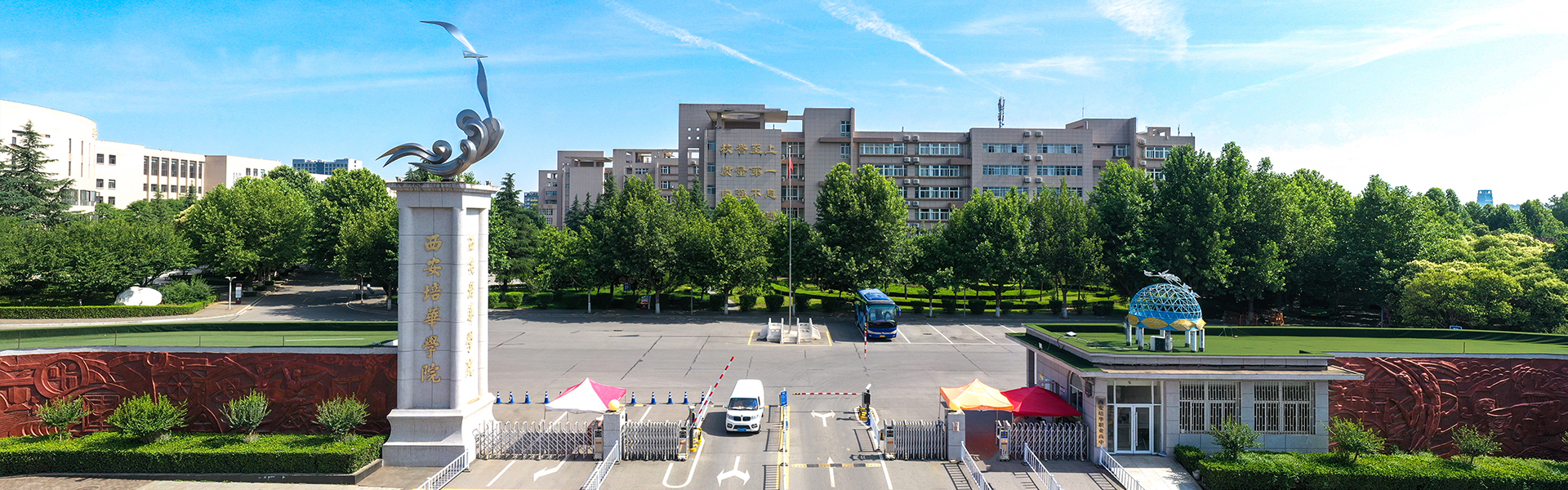
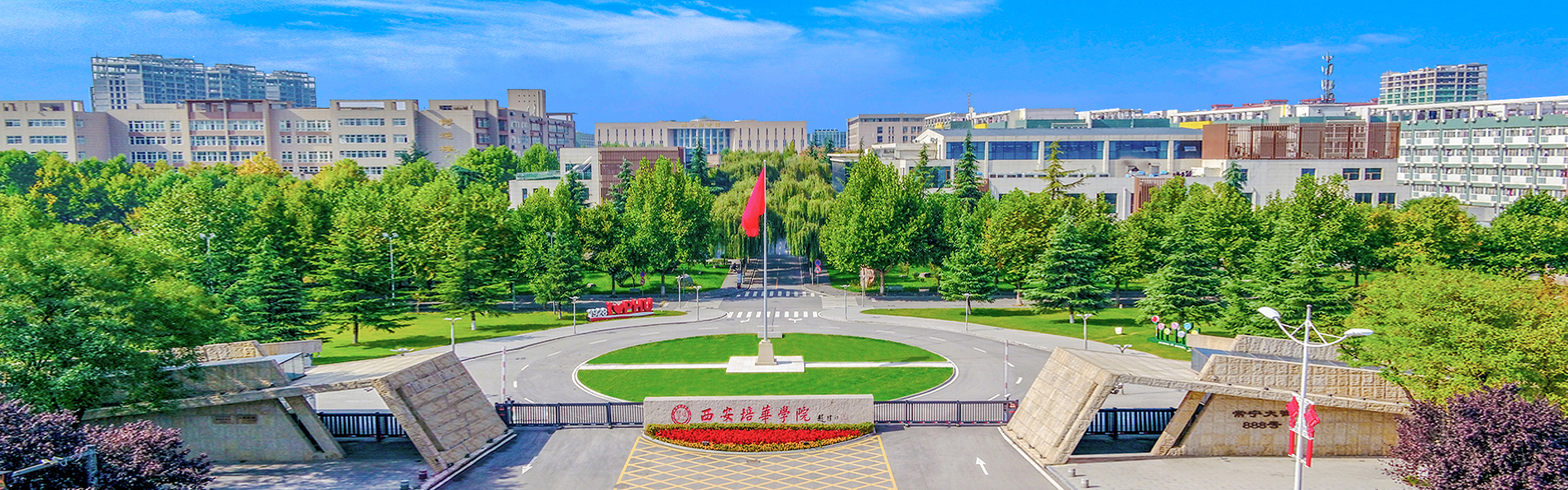
From November 28th to 30th, the national finals of the 2025 Undergraduate New Liberal Arts Practice Innovation Competition were held at Xi'an Jiaotong University (Xingqing Campus). After intense competition among teams from 221 universities and 454 groups, the faculty and student teams from Xi'an Peihua University stood out, securing two national gold prizes, two silver prizes, one bronze prize, and three excellence awards. University teachers Yao Wenjing, Zhao Jie, Wang Peng, and Zhang Tian were honored as "Outstanding Instructors," and Xi'an Peihua University was awarded the title of "Outstanding Organization Unit."
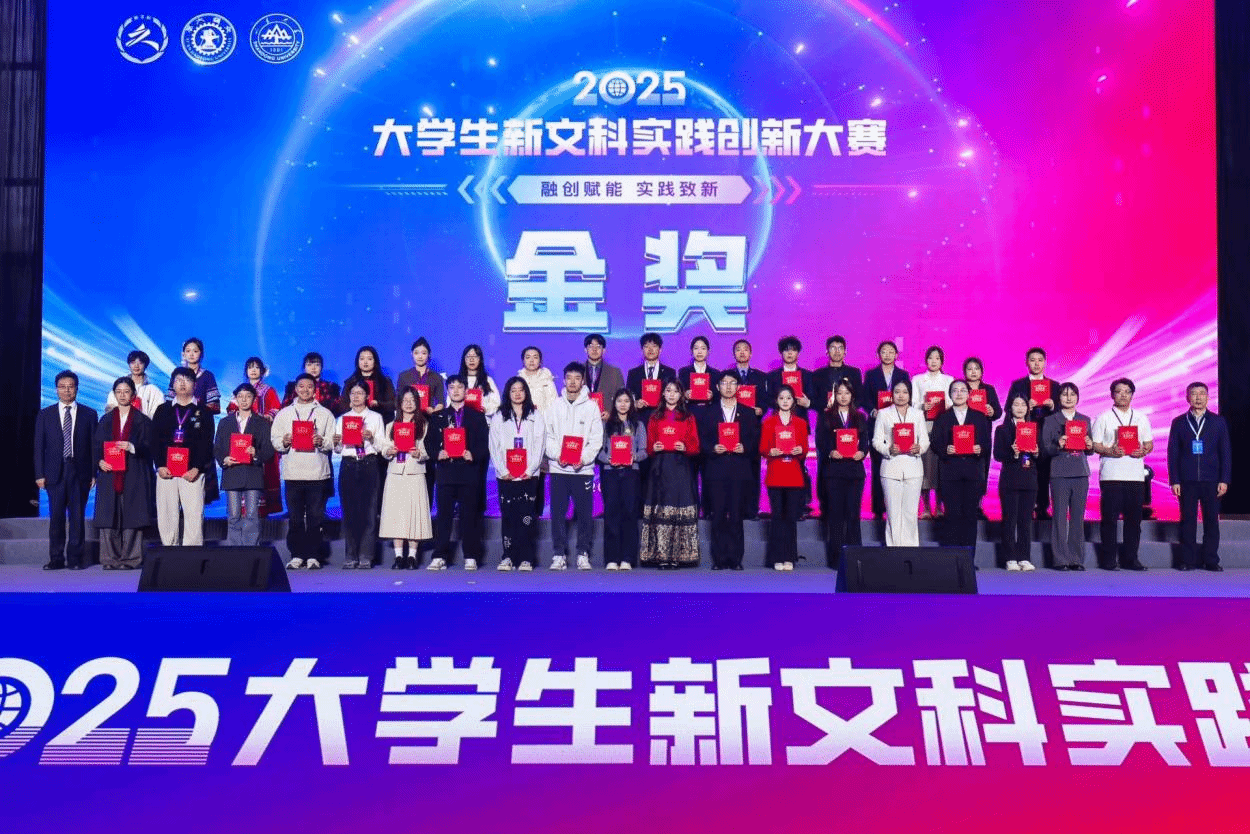
Gold Prize-winning Team: Project "Safeguarding the Rights and Interests of Urban 'Invisible Laborers'—Food Delivery Workers: Examining Dilemmas and Strategies Under New Business Models"
The gold-winning project "Safeguarding the Rights and Interests of Urban 'Invisible Laborers'—Food Delivery Workers: Examining Dilemmas and Strategies Under New Business Models" directly addresses new labor rights issues in the platform economy. It translates legal theory into concrete research analysis and public welfare practice, earning unanimous recognition from the judges for its profound social concern and professional solutions.
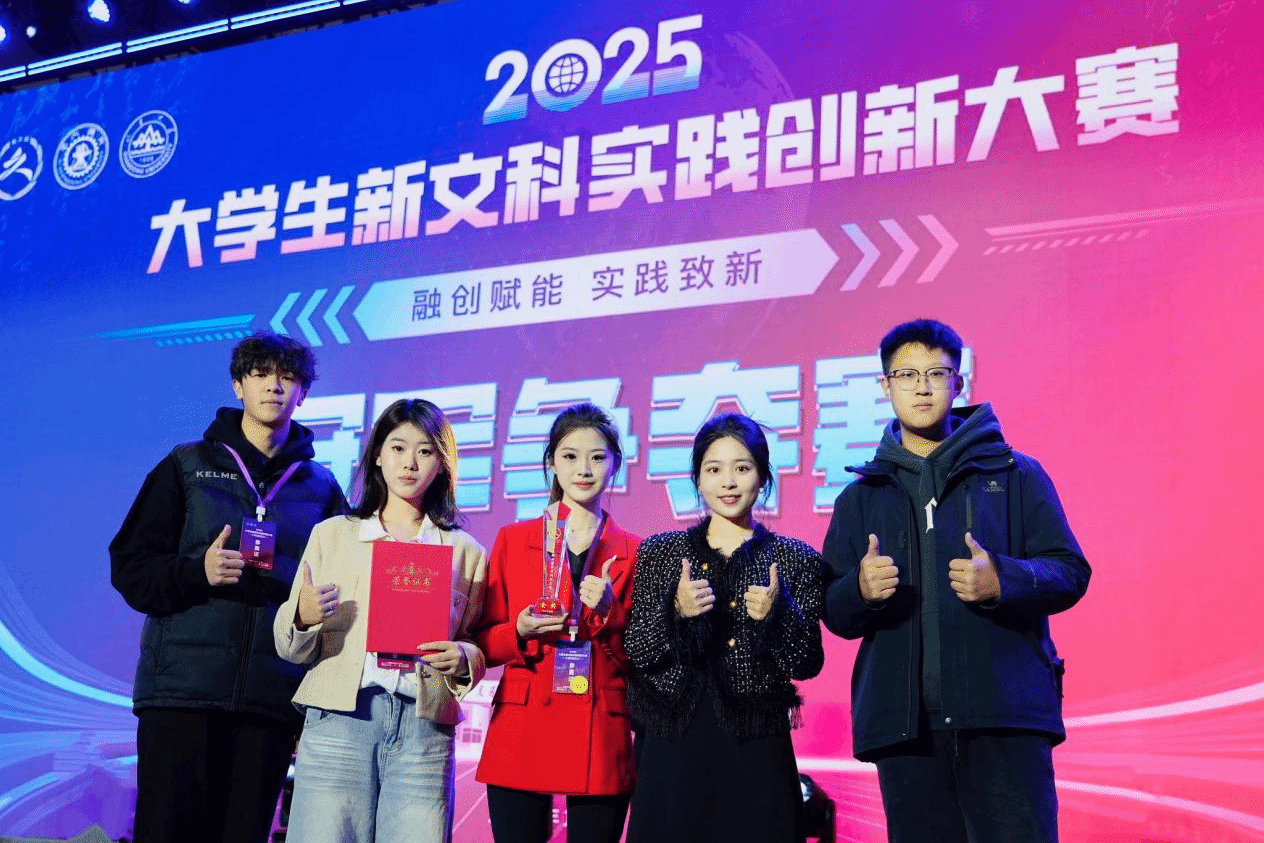
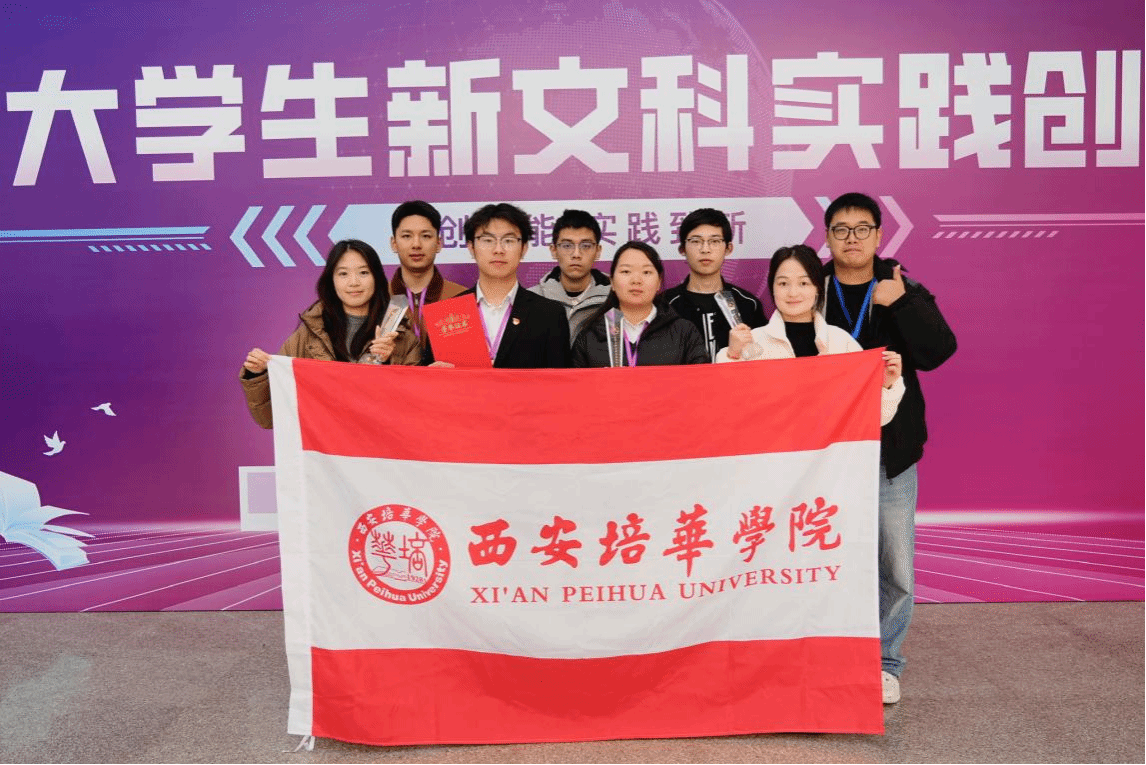
Gold Prize-winning Team: Project 'Shadow Rhythm Renewal—Construction of the Digital Curriculum System for Wang's Shadow Puppetry and Its Practice in Primary and Secondary School Aesthetic Education'
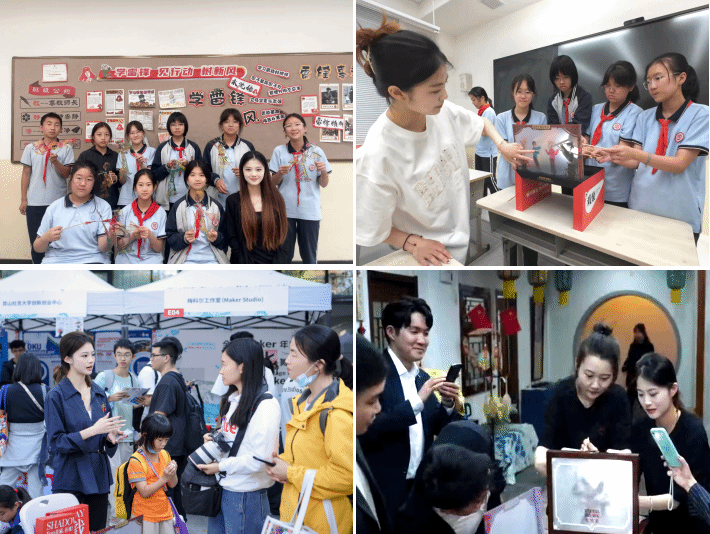
The gold-winning project "Shadow Rhythm Renewal—Construction of the Digital Curriculum System for Wang's Shadow Puppetry and Its Practice in Primary and Secondary School Aesthetic Education" accurately addresses the dual needs of traditional cultural heritage and aesthetic education in the new era. Centered on the nationally recognized intangible cultural heritage "Wang's Shadow Puppetry," it fully leverages interdisciplinary advantages by deeply integrating the narrative expression skills of broadcasting and hosting arts, the technological innovation capabilities of digital media, and the widespread demand for aesthetic education.
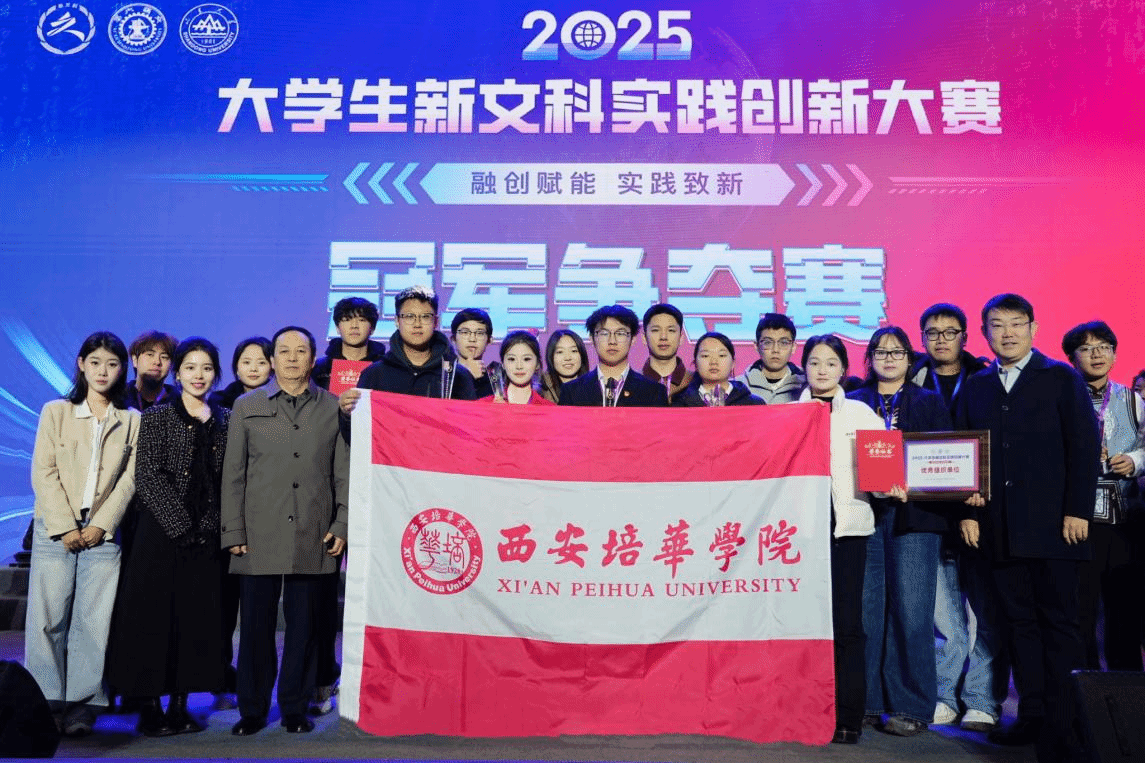
It is reported that this year's competition was hosted by the National New Liberal Arts Education Research Center and co-organized by Xi'an Jiaotong University and Shandong University. Guided by the philosophy of "integration, innovation, empowerment, and practice-driven renewal," the competition actively encourages liberal arts education to break through traditional boundaries and promotes a shift in talent cultivation models from theoretical abstraction to practical depth. Since its launch, the competition has attracted over 160,000 students from 423 universities across 31 provinces (autonomous regions and municipalities), with nearly 25,000 projects submitted, demonstrating significant scale and influence. The competition emphasizes participation primarily by liberal arts students while strongly advocating for the formation of interdisciplinary, cross-major, and cross-educational-stage teams to foster knowledge integration and intellectual exchange. After intense competition in the preliminary and online final rounds, 454 outstanding teams from 221 universities across 29 provinces (autonomous regions and municipalities) advanced to the national finals, where they competed through on-site presentations and defense sessions.
Project Practice
Rooted in the principles of "value guidance, interdisciplinary integration, and practice-driven innovation," Xi'an Peihua University focuses on addressing real-world social concerns through innovative exploration. This approach not only highlights the solid theoretical foundation, profound sense of social responsibility, and comprehensive practical abilities of its faculty and students but also promotes the in-depth development of liberal arts education, interdisciplinary knowledge integration, and the cultivation of students' innovative thinking. It provides a strong model for the construction of new liberal arts and the innovation of talent cultivation models. In the future, the university will continue to deepen its integrated cultivation model, transforming more research projects and industrial resources into educational advantages. This will help students grow through innovative practices and contribute high-quality design talents with cross-border integration capabilities and an innovative spirit to the development of the regional cultural and creative industries.